
Bitton Gourmet
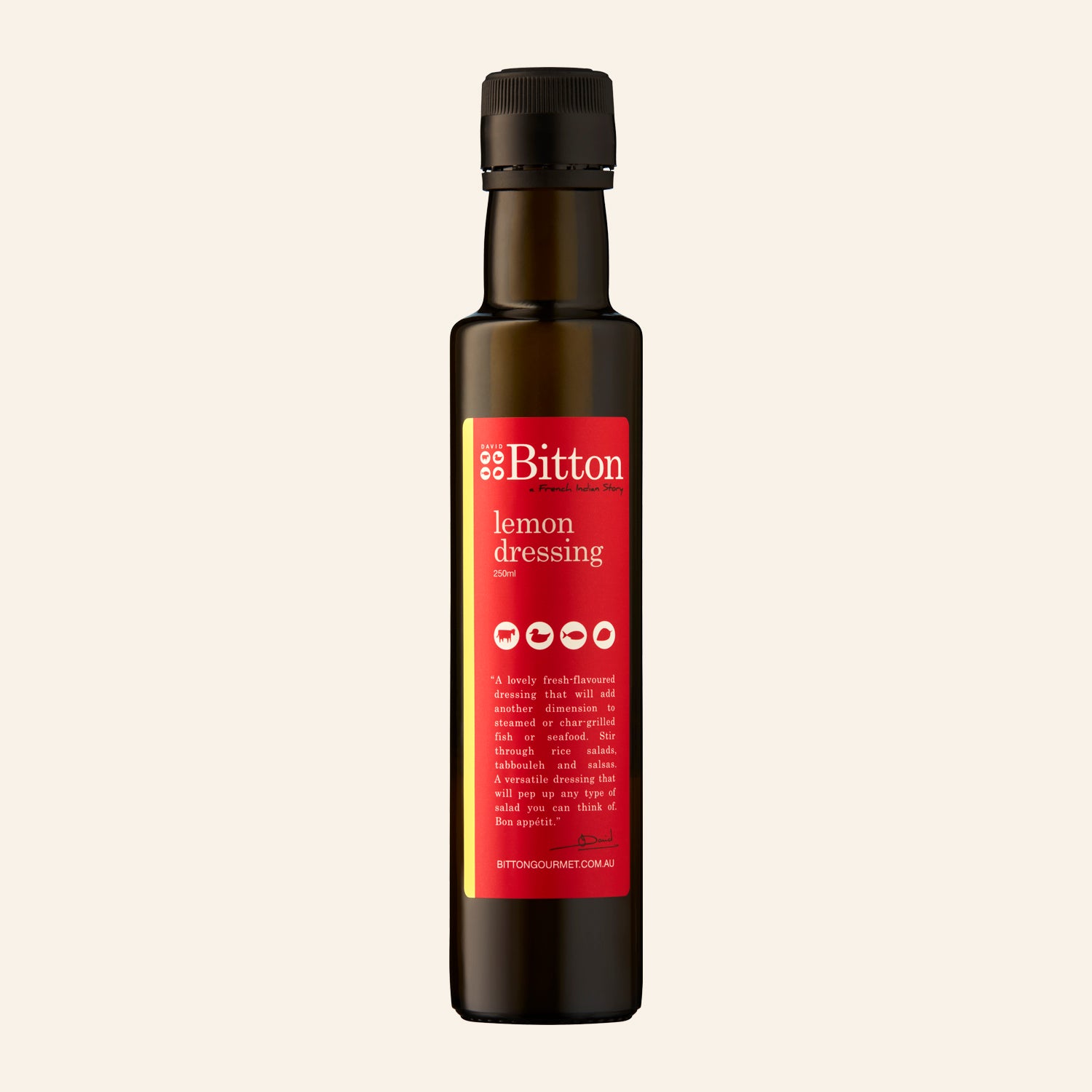
Gourmet Lemon Dressing
Gourmet Lemon Dressing
Couldn't load pickup availability
Bright, fresh, and effortlessly versatile.
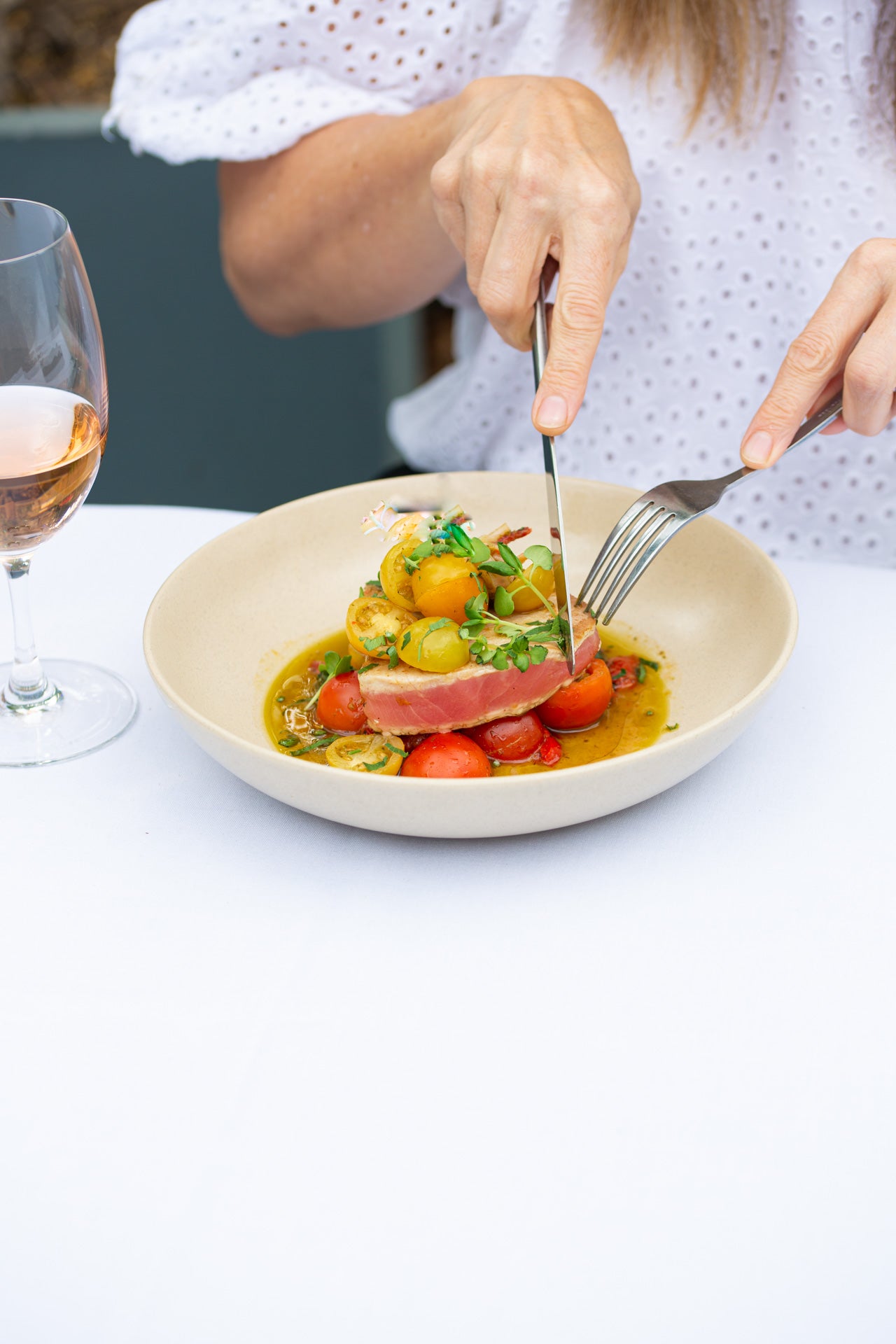
This light gourmet lemon dressing is the perfect finishing touch for summer salads, adding a vibrant lift to steamed or char-grilled fish and seafood.
Stir it through rice salads, tabbouleh, or fresh salsas, it’s a simple way to brighten and pep up any salad you can imagine.
A kitchen must-have for every season.
Bon appétit!
Size: 250ml
Ingredients: Olive Oil, Lemon Juice (16%), Salt, Ground Pepper
FAQs
What dishes pair best with Bitton's Lemon Dressing?
Perfect for fresh garden salads, grilled fish or prawns, charred vegetables like broccolini or asparagus, Greek-style salads with feta, tabbouleh, seafood platters, chicken salads, steamed green beans, drizzled over roasted potatoes, or as a marinade for chicken before grilling. The bright acidity cuts through rich foods beautifully and enhances delicate flavours without overwhelming them.
Is Bitton's Lemon Dressing suitable for seafood?
Absolutely. Lemon and seafood are a classic pairing - the citrus acidity enhances delicate fish flavours without overwhelming them. Drizzle over grilled fish, brush on prawns before barbecuing, dress seafood salads, serve alongside oysters, or use as a finishing touch for pan-fried fish. We use it extensively with seafood dishes at our cafés. The brightness is perfect.
What's in lemon dressing?
Quality lemon dressing typically contains olive oil (often extra virgin), fresh lemon juice, salt, and sometimes black pepper. That's it for the simplest versions. Some include Dijon mustard as an emulsifier, garlic for depth, or herbs like oregano or thyme. The key is balance - enough lemon for brightness without being overwhelmingly acidic, quality oil for body.
Can you use lemon dressing as a marinade?
Yes, lemon dressing makes an excellent marinade, especially for chicken, fish, or vegetables. The acid tenderises while the oil carries flavour. Marinate chicken for 2-4 hours, fish for 30 minutes maximum (acid can "cook" delicate fish if left too long). Add fresh herbs like thyme or rosemary for extra flavour. Don't overdo it - lemon's acidity is powerful.
